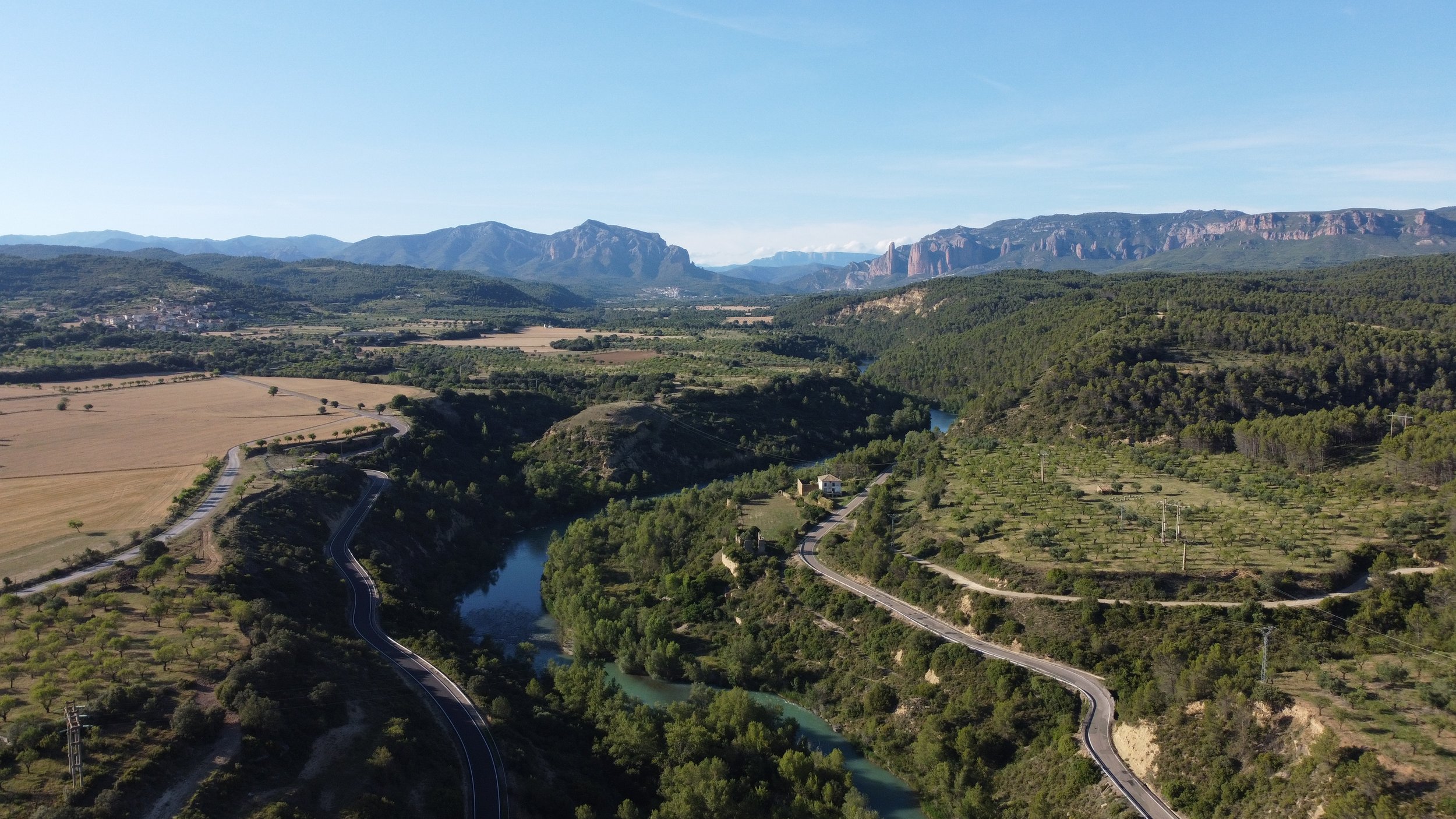
Can you picture it? Wild camping with your camper van. Traveling through Europe. Through the vast wildernesses of Scandinavia, the picturesque country roads of France, or along the beautiful coast of Albania.
The idea of wild camping is irresistible when we want to escape everyday life. Where freedom and nature go hand in hand and you can park wherever you want. Well, almost anywhere. Because there are rules for wild camping in Europe.
Before setting off in your camper van, we recommend that you familiarize yourself with the wild camping rules that apply in different European countries. From the North Cape to the Strait of Gibraltar, each destination has its own set of guidelines.
To save you a lot of research, this blog gives you more insight into the rules surrounding wild camping. We share tips on how to get the most out of your adventure while respecting nature and local communities. Whether you're a seasoned camper or new to the world of off-grid camping, this guide will show you the way.
What is wild camping?
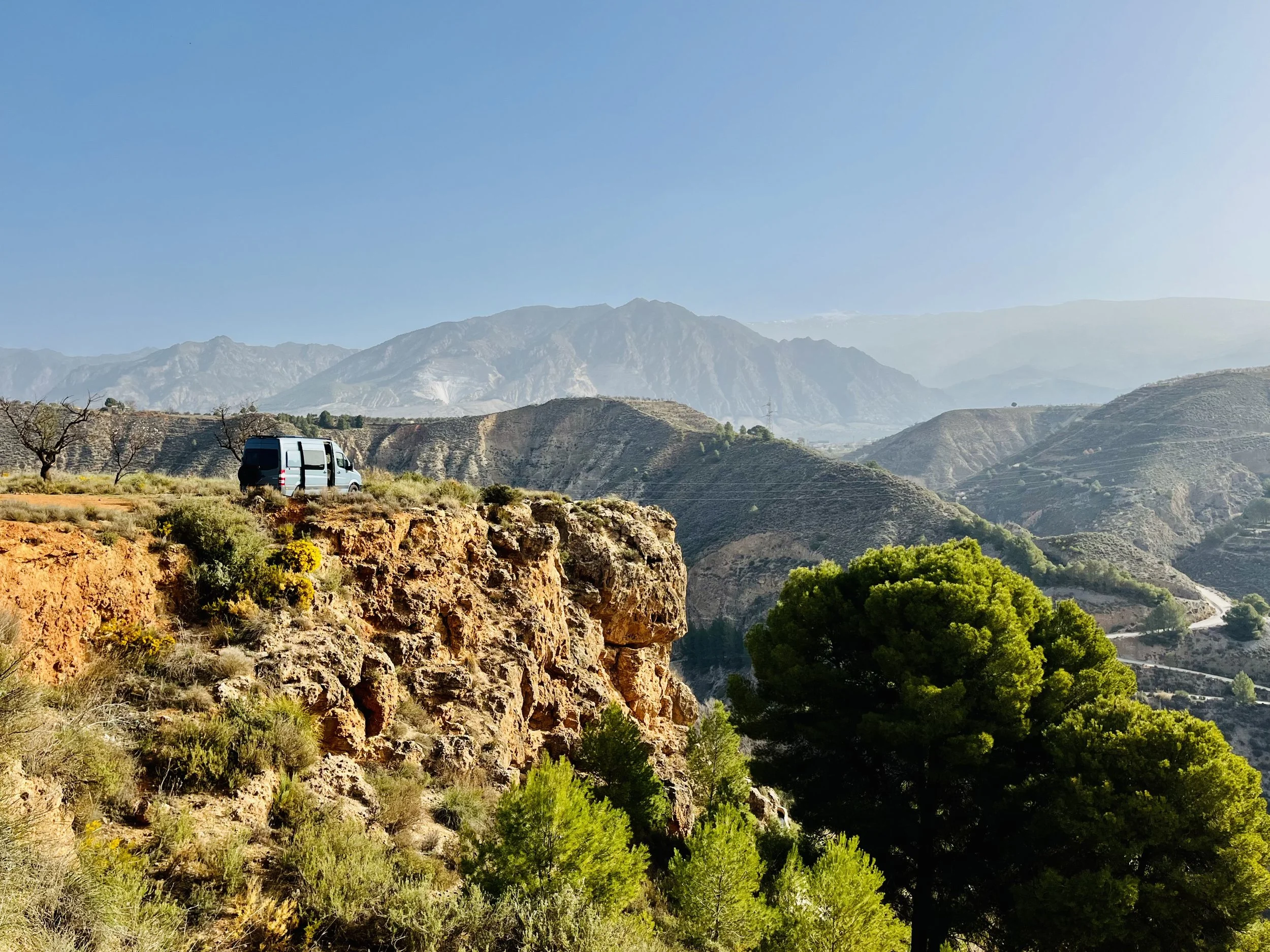
We refer to wild camping or free camping when camping outside designated campsites or special RV parking areas. This involves spending the night in public places or the great outdoors in a car, van, RV, caravan, or tent. In other words, you are not staying at a campsite or anything similar.
Spending the night outdoors without a camper is called bivouacking and is slightly different. It is particularly popular among hikers and cyclists who want to spend the night during longer trips. It is important to distinguish between wild camping and resting. Resting means taking a short break. You can rest almost anywhere in nature or shelter from the wind and weather. Or if you are tired and want to recover your driving ability. This is allowed in remote places such as forests, mountains, beaches, or other natural locations.
Wild camping remains an adventure and brings everyone closer to nature. But it also requires extra vigilance. Respect local rules and laws to minimize the impact on the environment.
Kind to nature: Leave no trace
It is a familiar concept among many camping enthusiasts. The general rule , Leave no trace, says it all: don't leave any traces behind. And it's even better to leave the place in better condition than you found it. When wild camping, keep the following saying in mind:
Take nothing but pictures, leave nothing but footprints.
It is best not to camp in nature reserves and national parks unless it is permitted. These areas are often strictly protected and the environment is often fragile.
If you are traveling by camper and would like to camp freely, here are a few useful basic principles:
Clean up your trash
Avoid damage to the natural environment
Be careful when lighting a fire
Do not disturb the flora and fauna of the area.
Leave the place tidy so that other campers can experience the same beauty.
Wild camping in Scandinavia
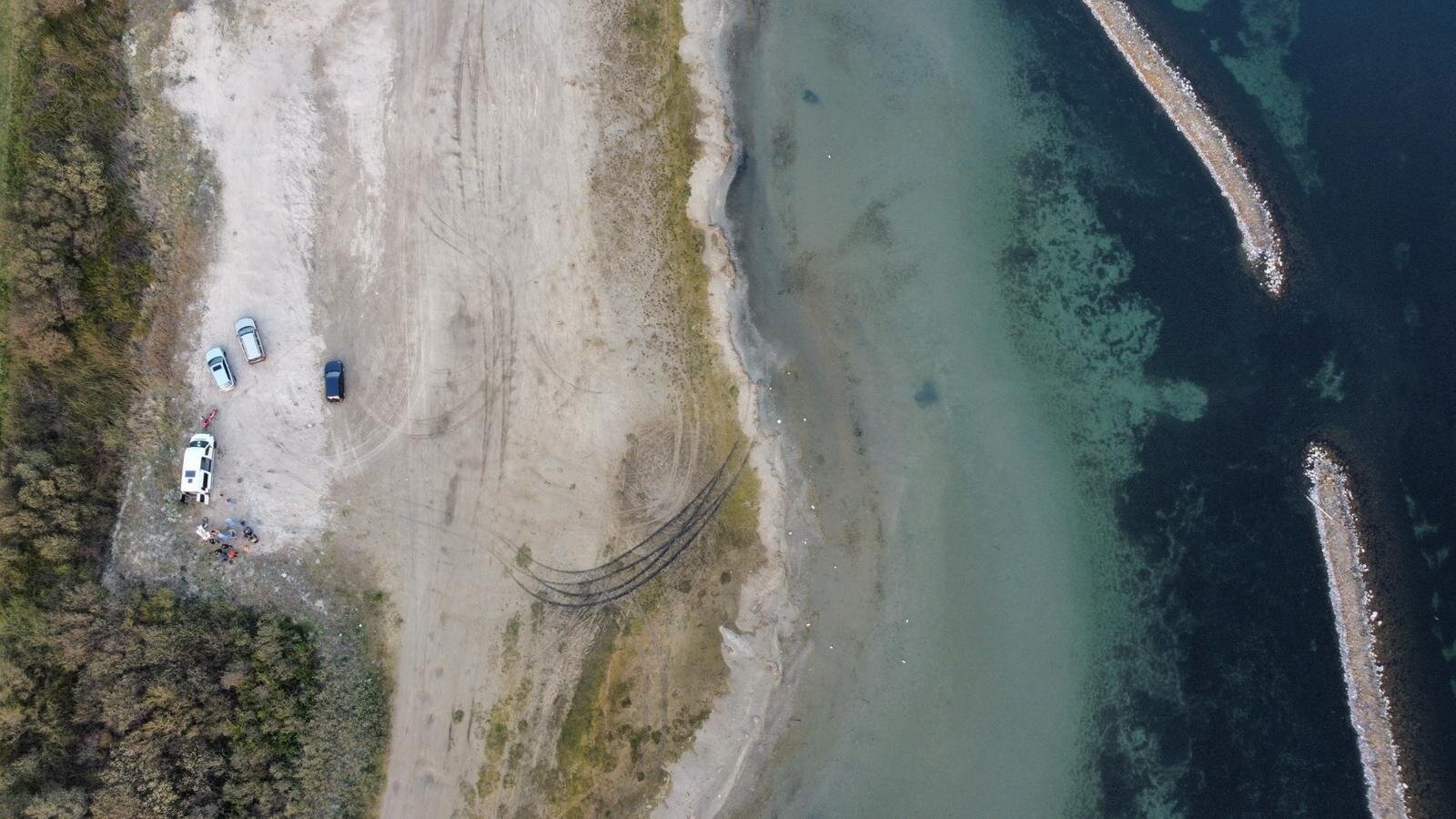
Scandinavia is a fantastic destination for wild camping. Here, the so-called Right of Public Access applies: the land belongs to everyone and everyone is free to use it. In Norway, Sweden, and Finland, you have the freedom to stay in nature and camp freely. However, there are a number of conditions attached to this to prevent nuisance and abuse. But that makes sense.
Originally, the Right of Public Access was not intended for campers and caravans, and minimalist camping was preferred. The intention is not to exhibit typical "camping behavior," but rather to respect the nature around you.
Rules of Everyman's Right
Wild camping is permitted, but not on private property or fenced-off areas.
Park on the side of the road
Stay in the same place for a maximum of 3 days.
Do not stay within a radius of 100 meters from a residential building.
Clean up your mess and leave the location tidy.
You may light a fire, but be careful and take the surroundings into account.
The right of public access may vary depending on the country and region. We recommend that you familiarize yourself with and respect local regulations. If necessary, ask the local population about the rules so that you can enjoy your stay without any worries.
Norway
Traveling to Norway in a camper is a joy. The Allemansretten is one of the basic rights. In Norway, this means that the land belongs to everyone and everyone is allowed to use it. On the other hand, when wild camping, you should try to be as inconspicuous as possible. This means that you should not use an awning, for example. Minimalism is the golden rule here.
In Norway:
You can camp almost anywhere, but not on fenced-in property.
You may stay in the same place for a maximum of 3 days.
you are not allowed to stay within a radius of 100 meters of a residential building
Sweden
The Swedish Allemansrätten gives you the freedom to stay in nature and camp. With a camper van, you can go wild camping in Sweden. However, driving in nature is more difficult, as this can damage the environment. This is regulated in the terrängkörningslag, which regulates driving motor vehicles on land. It is prohibited to drive a car, motorcycle, moped, or other motorized vehicle on uncovered ground in nature.
Free camping in Sweden also means protecting nature and the environment. You usually park your camper on the side of the road or at a nice rest area. If you want to spend the night in a beautiful spot, you can stay there with your tent or camper for 24 hours.
Finland
Finland has a similar right to Sweden, namely the Jokaisenoikeudet. This allows everyone to move freely and stay in nature. This includes spending the night in nature. Please note that wild camping in nature reserves, national parks, and on beaches is not permitted.
In Finland, it is also important to:
treat the land with care
leave no trace
avoid private property
Do not camp in vulnerable areas and nature reserves.
Denmark
In Denmark, there are specific rules for free camping with a motorhome. Although the country is known for its more than 400 islands, wild camping spots are limited. There is even a strict ban on camping on the beach. You are only allowed to stay at designated campsites and special motorhome parking areas, unless you have permission from a landowner (e.g., a farmer) to stay on their property. Some campsites require a camping pass, so keep this in mind. Fortunately, nature campsites offer a nice alternative to regular campsites and you are welcome to stay there with your motorhome.

Wild camping in Northern Europe
Scotland
Wild camping is permitted in Scotland, but this does not apply to motorized vehicles. Nevertheless, you can enjoy wonderful trips through the Scottish countryside in a camper van. The right to camp freely is based on the rules of hospitality and is laid down in the Scottish Outdoor Access Code. Park your motorhome carefully in a designated spot if there is one nearby, so that you disturb the environment as little as possible. The Scottish government recommends that you act with caution, respect traffic rules, do not block driveways, and protect the environment.
Iceland
The Land of Fire and Ice. A popular destination for motorhome owners and camping enthusiasts. You will hardly find such impressive views anywhere else without encountering a soul. Icelanders are, quite understandably, proud of this piece of land. Wild camping is therefore not officially allowed. It is not even appreciated by the local population and is strictly monitored. Especially in tourist areas of the country such as the south and in inhabited areas, you are not allowed to camp freely. Therefore, look for designated areas and campsites to enjoy the beautiful nature. If you are camping somewhere and you start a hiking trip, you may leave your camper at a campsite and pitch a tent at a few special locations.
Wild camping in Central Europe
Germany
Germany has complex legal regulations that essentially prohibit wild camping with a motorhome. There are no national regulations, and each municipality has its own rules. This makes it difficult to determine what is and is not allowed. In general, overnight stays are permitted at specially designated motorhome sites, parking lots, and regular campsites. You may stay on someone's private property if you have the owner's permission, unless local authorities prohibit this. We recommend avoiding nature parks, as camping is prohibited there. Via Landvergnügen , you can check whether you are allowed to stay overnight on a farm. Consult the Deutscher Alpenverein website for information about camping in each German region.
Austria
Wild camping and free camping are not officially permitted in Austria. However, you are allowed to park your motorhome in designated parking areas. Outside Vienna, Tyrol, and national parks, you are allowed to stay for a maximum of one night. In addition, there are many (nature) campsites where you can park your motorhome. Generally, strict rules apply in Austria when it comes to wild camping and, depending on the state, you risk a fine of up to €14,500 (!) in nature reserves, national parks, and protected areas.
Switzerland
Wild camping is not officially allowed in Switzerland. Or is it? In some regions, you are allowed to camp freely in nature above the tree line (2000 meters), but this is usually only possible with a tent. When traveling through Switzerland in a camper van, it is best to ask the local residents what is and isn't allowed. This varies from region to region, and sometimes you will come across a friendly Swiss person who will point you to the most beautiful off-road spot. As in most countries, camping in national parks, wildlife reserves, nature reserves, and quiet zones is prohibited in Switzerland.
Would you rather stay in the middle of nature than at a campsite? SwissTerroir is an initiative to bring people closer to the local population. For a fixed annual fee, you can stay overnight with winegrowers, cheese makers, and chocolatiers. This is a great way to really get to know Switzerland!

Wild camping in Southern Europe
France
In France, you are allowed to stay overnight at designated motorhome and parking areas. These are called Aires de Camping-car sites. In addition, there is the France Passion initiative. France Passion to discover which winegrowers and farmers allow you to spend the night on their land.
Free camping is permitted in France:
with the permission of the landowner or police
not in protected nature reserves
at least 500 meters from a monument
at least 200 meters from a natural water source or drinking place
not directly on the coast
Overnight stays in parking lots are permitted for a maximum of 7 days, unless otherwise indicated. This also applies to parking spaces along highways.
Spain
Wild camping and free camping in Spain is permitted with a camper van under regional conditions. In any case, do not simply stay in national parks, as these are usually protected areas. Overnight stays along highways are permitted. In addition, there is the Spanish initiative España Discovery which, like the French initiative, tells you which winegrowers and farms you can stay at.
Italy
It is officially not permitted to camp wild with a camper van in Italy. There are a few exceptions and situations where it is tolerated by local residents and authorities. In those cases, you run little risk of being fined. Furthermore, tourist areas and the coast are often protected and wild camping is not allowed there. Such places are regularly checked and, in the worst case, you will be fined €100 - €500.
Are you traveling further inland and away from tourist areas? In that case, wild camping is usually accepted. You are allowed to rest in various places to recover your driving ability. Furthermore, it is always advisable to ask a landowner if you can stay on private property for the night.
Portugal
Portugal is known as a popular destination for motorhome adventures. While campsites are a popular option, more and more locations are offering special facilities for motorhomes. For the adventurous traveler, there are the Easycamp locations, where you can stay one night for free and self-sufficiently in a rural setting after purchasing local products. Wild camping is permitted under certain conditions, such as a maximum of 48 hours within the same municipality, except in nature and coastal areas or if there is a prohibition sign. If you have applied for a permit from a municipality and have permission from the landowner or police, you may also wild camp.
Greece
Wild camping with a motorhome is prohibited in Greece. However, you are allowed to park your motorhome freely under strict conditions. For example, you are not allowed to sit outside the motorhome; chairs and awnings must remain inside. Camping with a tent is permitted in various municipalities, unless there is a prohibition sign. If you are unsure about the permitted camping sites, it is wise to ask for permission in advance or to choose a regular campsite. This way, you can avoid fines for illegal camping, which can be as high as €3000.
Slovenia
Wild camping is prohibited in Slovenia, and the authorities, including the police and national park rangers, enforce this strictly. If you are caught, you risk a fine of up to €500. In national parks, fines can be as high as €1000. It is therefore wise to stay away from these areas at night. Outside nature parks and protected nature reserves, there are more options and you will find it easier to find a place where you can and are allowed to park your camper. In addition, villages often have free camper sites with various facilities.
Albania
Albania, with its beautiful nature, is a perfect country to explore by camper van. Wild camping is allowed almost everywhere due to the still limited tourism. Except in national parks, near government buildings, and on private property. Check in advance whether you are allowed to camp in these areas, as there are no uniform rules. If you are unsure whether a place is private, you can ask someone. Often, property owners will allow you to camp for one or two nights. This makes exploring the country by camper van an adventurous experience.
Discover hidden places with Overland Campers
We wouldn't be ourselves if we weren't constantly on the hunt for the best spots far off the beaten track. Those remote places, surrounded by beautiful nature, where you can stand freely. And where, taking the environment into account, you can camp perfectly in the wild with your camper.
That's why we've collected the most beautiful off-grid camping spots in Europe and put them in a handy list. We're happy to share this list of wild camping spots with other adventurers who are hitting the road in their motorhomes. We share this list exclusively with our customers.